method / 2026
Multi-Subject Scene Continuity
Keeping a crowded interior readable by protecting space first and faces second.
A method note on spatial continuity, subject priority, and prompt review in multi-person AI video scenes.
- spatial continuity
- multi-subject control
- prompt consistency
- AI video
Task
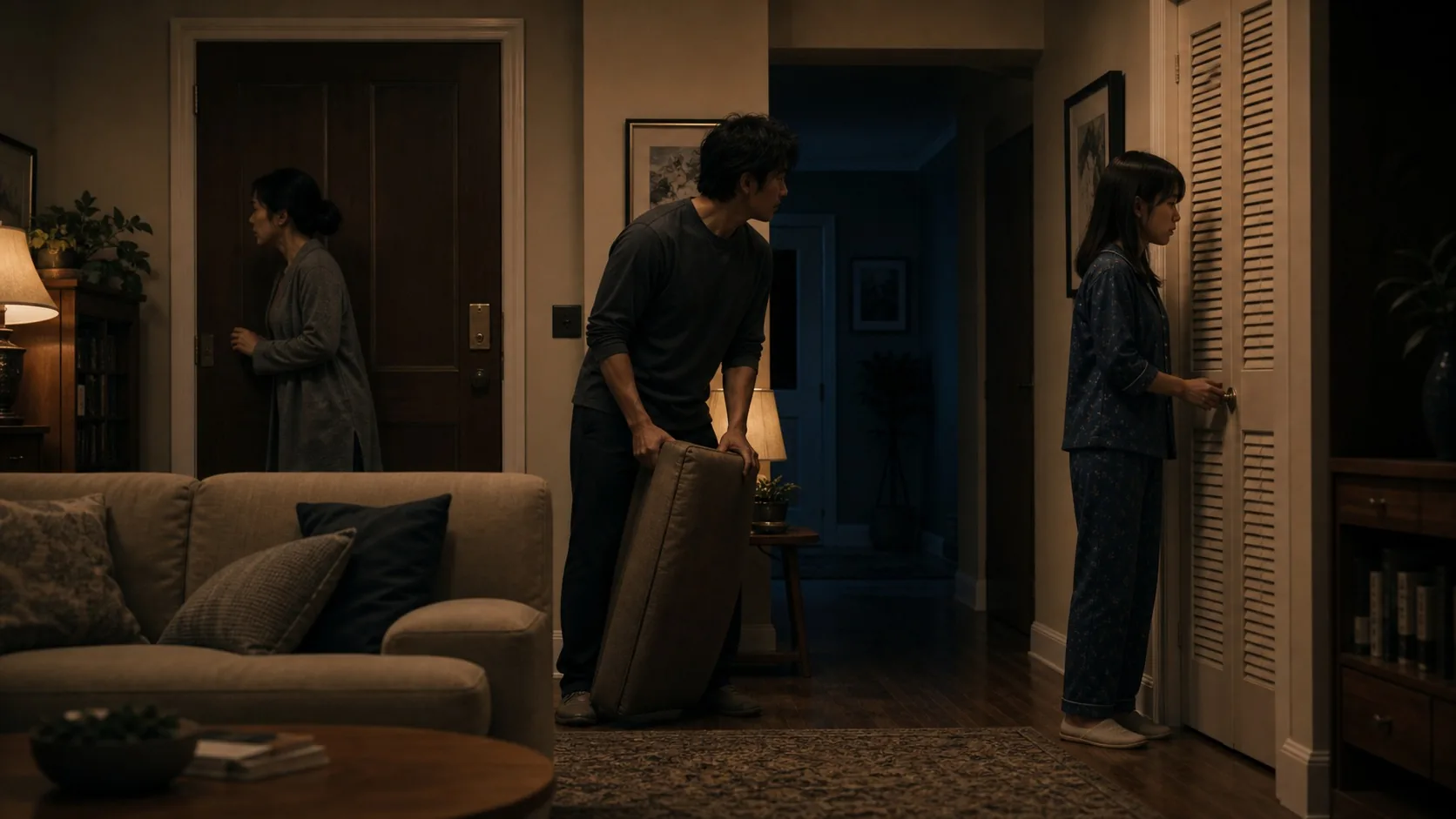
A multi-person scene should not ask the model to make every face equally clear.
Drama usually needs something narrower: a stable room, one visual priority, and enough secondary presence to prove the relationship. When every figure is promoted to the same level, the room begins to move, reactions become new subjects, and background people start competing with the beat.
Constraints
The hard part is not crowd size. It is memory.
A room has direction. People have positions. Props have state. Sound can come from outside the frame. The next shot has to inherit some of those facts. A prompt that asks for all people, all faces, all actions, and all room facts at once creates more drift than control.
Method
1. Give the room its own memory
Before assigning faces, define the repeated anchors:
entrance direction
main action zone
fixed furniture
repeated prop
sound source
next-shot handoff
The room should be recognizable even when the camera only follows one person.
2. Choose one clear visual priority
Each shot batch gets one dominant job: a speaker, a hand near an object, a listener, a threshold, or a reaction.
Other figures can remain partial, soft, reflected, silhouetted, or implied through sound. They still belong to the scene, but they do not ask the model for equal identity detail.
3. Review after splitting
Batching helps only if the handoff is checked.
The review asks whether the same room is still present, whether the main subject is clear, whether secondary figures stay secondary, and whether sound or object state has drifted into the wrong place.
Output
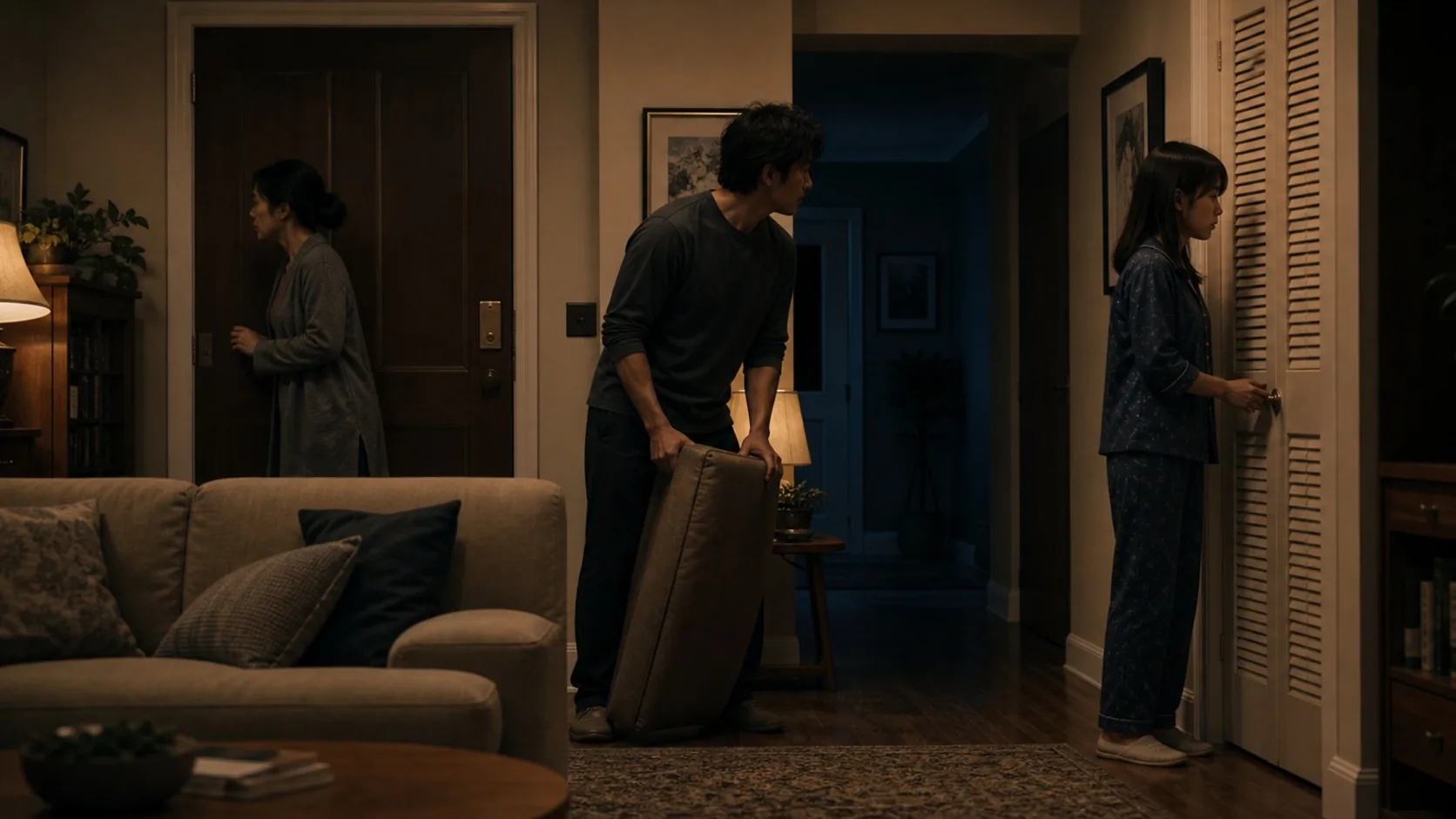 A crowded interior becomes controllable when the room direction is stable and only one subject carries the main beat.
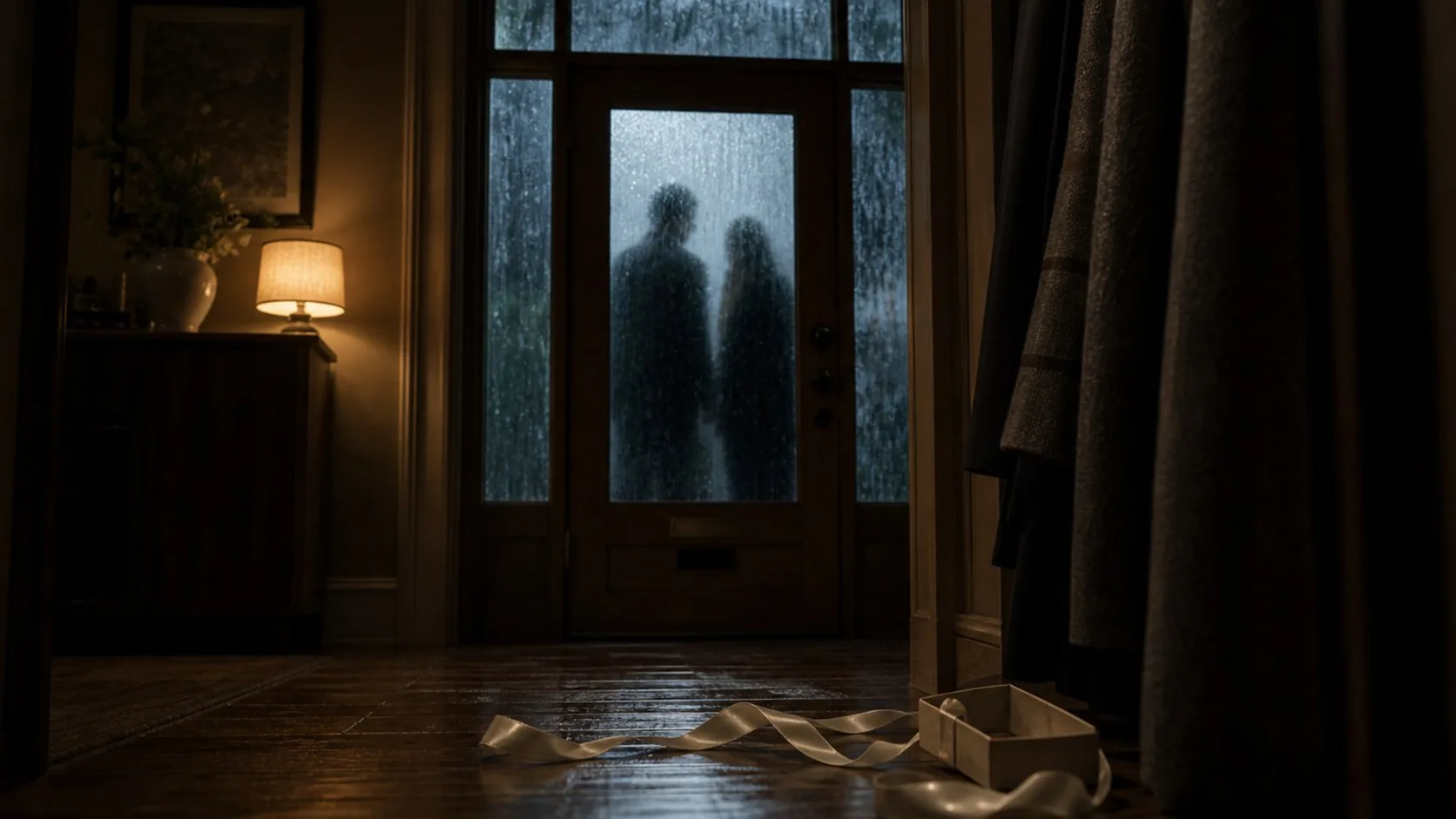 Presence can be carried by a door, shadow, sound, or reaction. Not every important figure needs a clear face.
The output is a prompt review habit: preserve space, choose priority, reduce unnecessary faces, and check the batch boundary.
Review
Multi-subject control is often subtraction.
The scene becomes more readable when the model is not asked to prove every relationship with a close face.