method
Reference Pack for a One-Minute Story
How a short domestic story can become a Reference Pack before any model-facing shot prompt is written.
Read the notesEarly Tweet-Format Test Film, produced from this Reference Pack.
Task
A one-minute story can be easy to read and still be too loose for production.
The first task is to decide what the model is not allowed to forget. A room, a doorway, a phone, a ribbon on the floor, and a hidden presence can all carry pressure. If those details move between shots, the story may still look dramatic, but the scene stops being the same scene.
The Reference Pack begins before prompting. It turns the pressure chain into visible anchors and short review rules.
Constraints
The pack has to stay small. A long explanation becomes another script, and the model will not treat it as memory.
The useful questions are plain:
Which space must stay recognizable?
Which object carries story pressure?
Which beat needs its own starting frame?
Which parts may change without breaking the scene?
The answer is a semantic contract: writing decides the meaning, and reference images carry the visible facts.
Method
1. Write the contract before choosing images
The writing layer says what the beat is doing. It names the pressure, the object, the threshold, and the point where the shot should stop.
The image layer does not explain the whole story. It preserves the things that need visual memory: room direction, object state, light, distance, and where attention begins.
2. Sort references by production role
The pack is organized by use, not by decoration:
space anchor
prop anchor
emotional beat
shot-start frame
review rule
If an image only gives atmosphere, it stays out of the pack. If it can hold a room fact, object fact, action start, or continuity boundary, it can stay.
3. Use Shot Blocks for local execution
A Shot Block is the point where the pack becomes a few seconds of work.
It carries only the current beat:
starting state
visible subject
room memory
object ownership
camera behavior
ending state
forbidden drift
The pack keeps the world from resetting. The Shot Block gives the model enough room to produce motion, timing, and performance.
Finished Cut
Early Tweet-Format Test Film is the compact video output attached to this pack. It puts the contract, visual anchors, and Shot Block into a one-minute vertical release form.
The cut keeps the promise small: one visible problem, one pressure turn, and one payoff. Its value here is not only the finished playback, but whether the visual facts survive the move from notes to motion.
Output
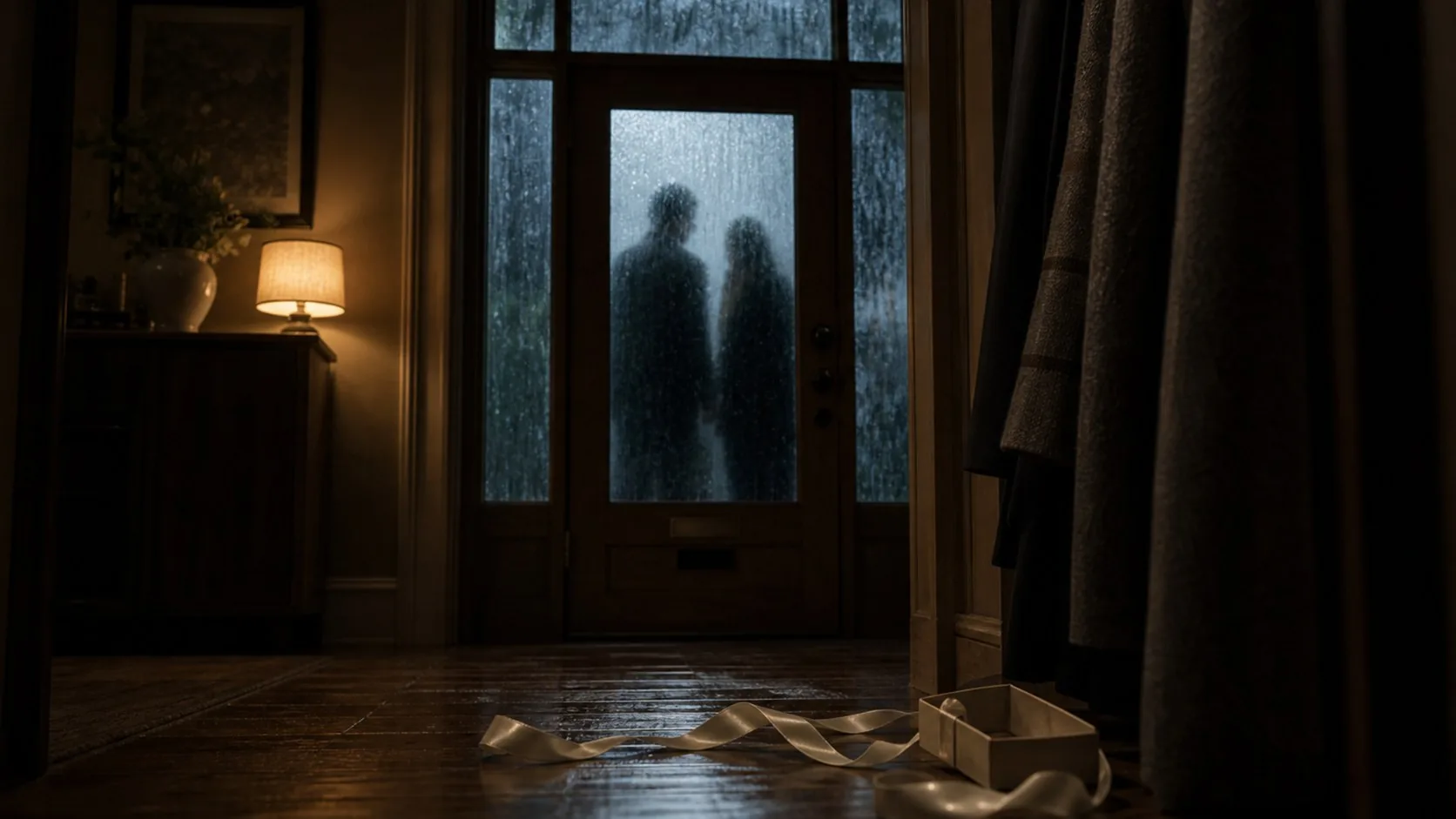 A story anchor works when the threshold, object trace, and pressure direction stay readable without explanatory text.
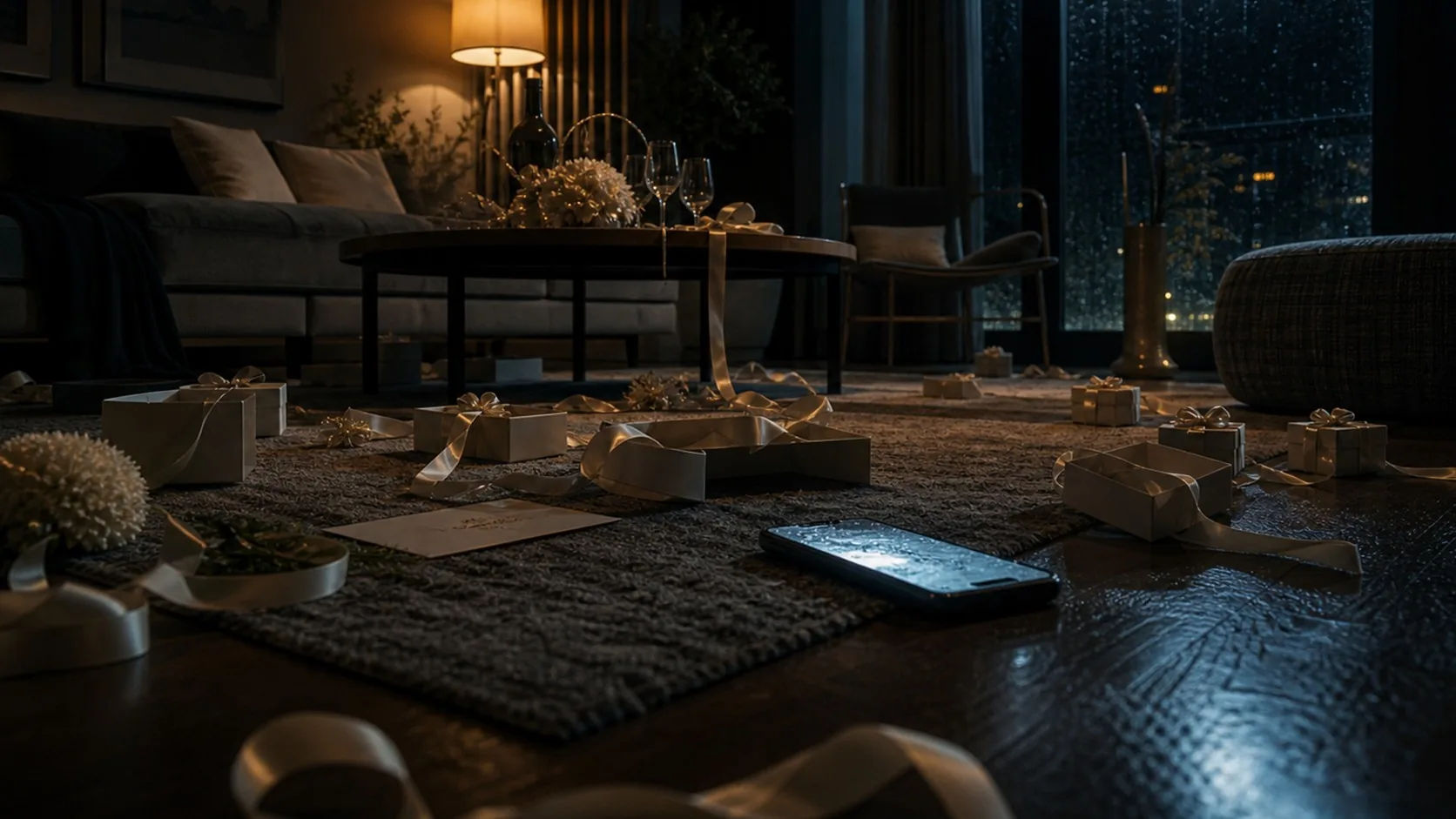 The phone is not decoration here. It is an evidence object, so the prompt must protect its placement and screen state.
The result is a smaller public structure:
- contract: what the story cannot lose
- Reference Pack: what the image layer should remember
- Shot Block: what the current shot should execute
- review: whether the generated frame still carries pressure
Review
Reference images do not replace writing. They inherit from it.
The strongest images in the pack are not always the most polished images. They are the images that make the next prompt harder to misunderstand.