workflow / 2026
From Directing Contract to Shot Batches
How scene intent becomes small model-facing units instead of a second screenplay.
A workflow note on compiling screen information, off-screen sound, and continuity into executable shot batches.
- directing contract
- shot batch
- production workflow
- AI video
Task
A video prompt should not carry the whole screenplay.
It should carry the parts a model can execute: what is visible, what is heard, what has already changed, and what must remain true at the cut. When a prompt tries to keep every motive, backstory, and future consequence, it becomes less useful. It asks the model to direct, edit, and remember at the same time.
The task here is to compile directing intent into shot batches.
Constraints
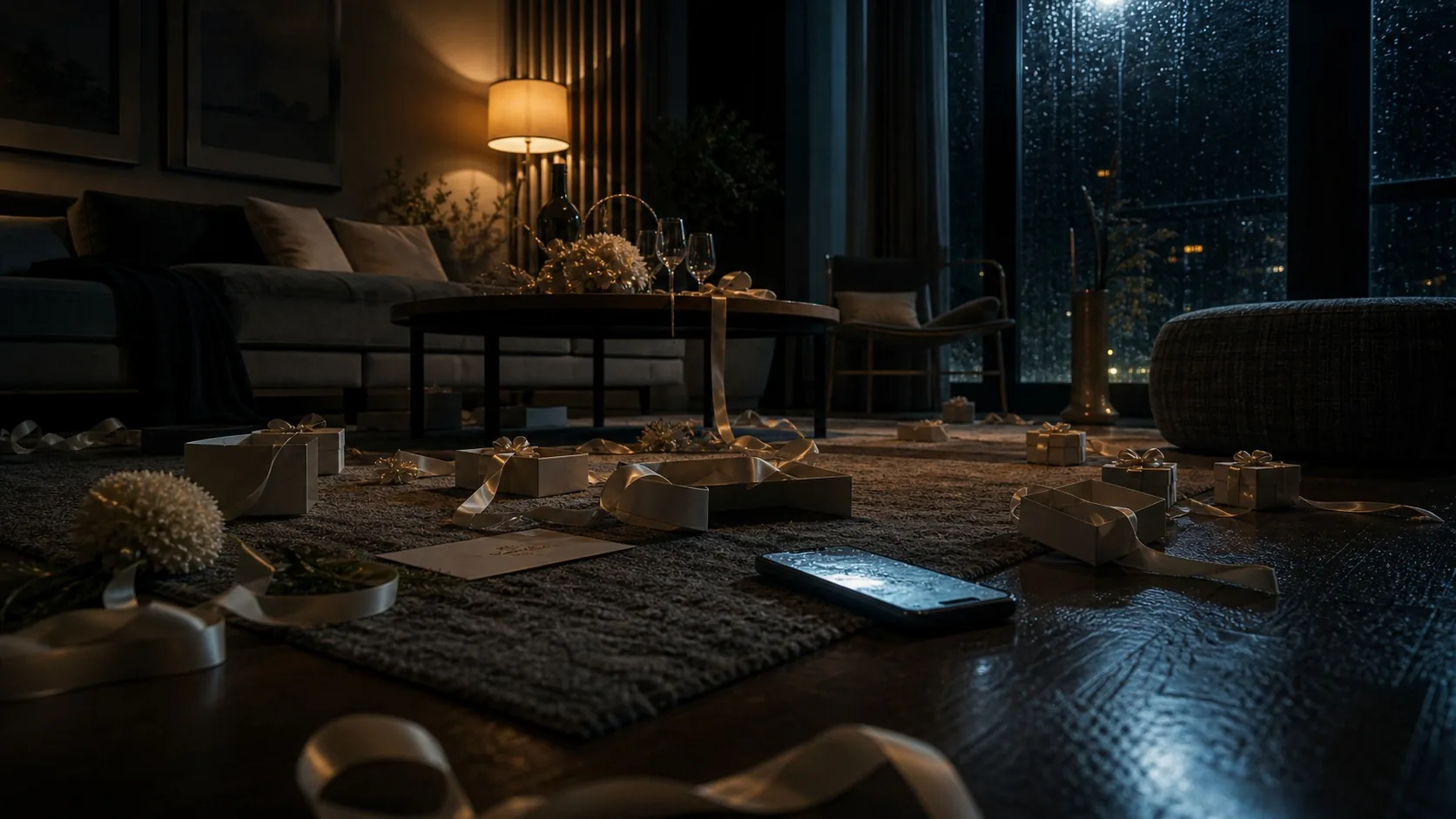
Phone-driven scenes are difficult because important information often sits outside a talking face.
The pressure may come from a screen, a vibration, a voice outside the frame, a silent reaction, or a device that has to remain in the same place. If those channels are mixed together, the model may invent the wrong mouth, move the device, or turn an off-screen cue into a visible speaker.
Method
1. Keep a directing contract upstream
The directing contract records the non-negotiable state of the scene:
opening image
room state
device state
sound source
ending pressure
things the model must not invent
This contract is not a style note. It is the boundary inherited by every shot batch.
2. Separate screen information from off-screen sound
Screen information has to be visible: glow, interface state, hand position, or a glance.
Off-screen sound has to be heard without forcing a new face into the frame. This split protects mouth movement, subject priority, and device continuity.
3. Compile each beat into a short batch
Each batch carries one local job:
starting state
visible subject
room and prop state
camera behavior
sound placement
ending state
handoff risk
The language becomes simpler because the upstream decisions have already been made.
Output
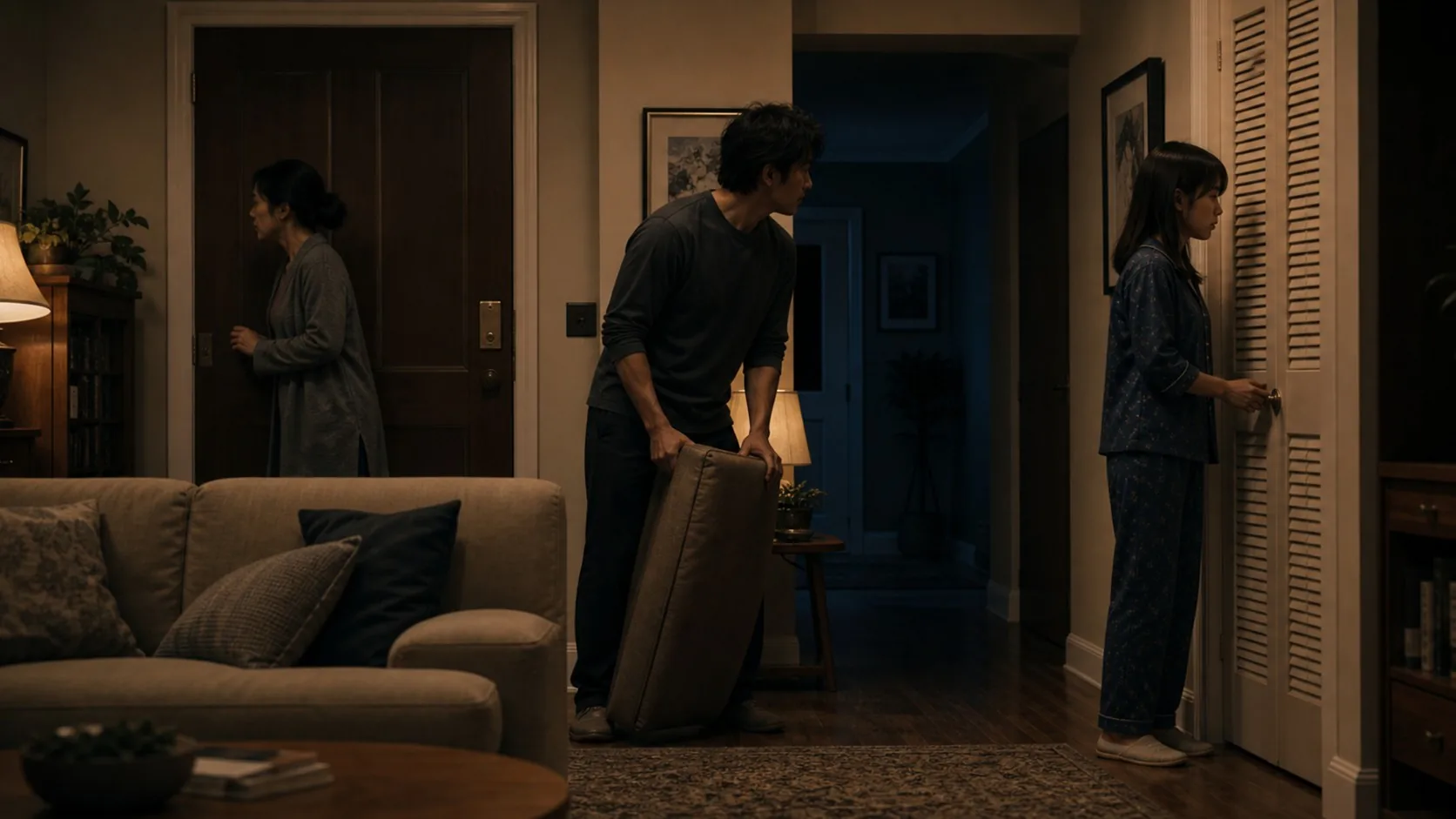 Room direction, subject placement, and device pressure need to be stable before the prompt asks for performance.
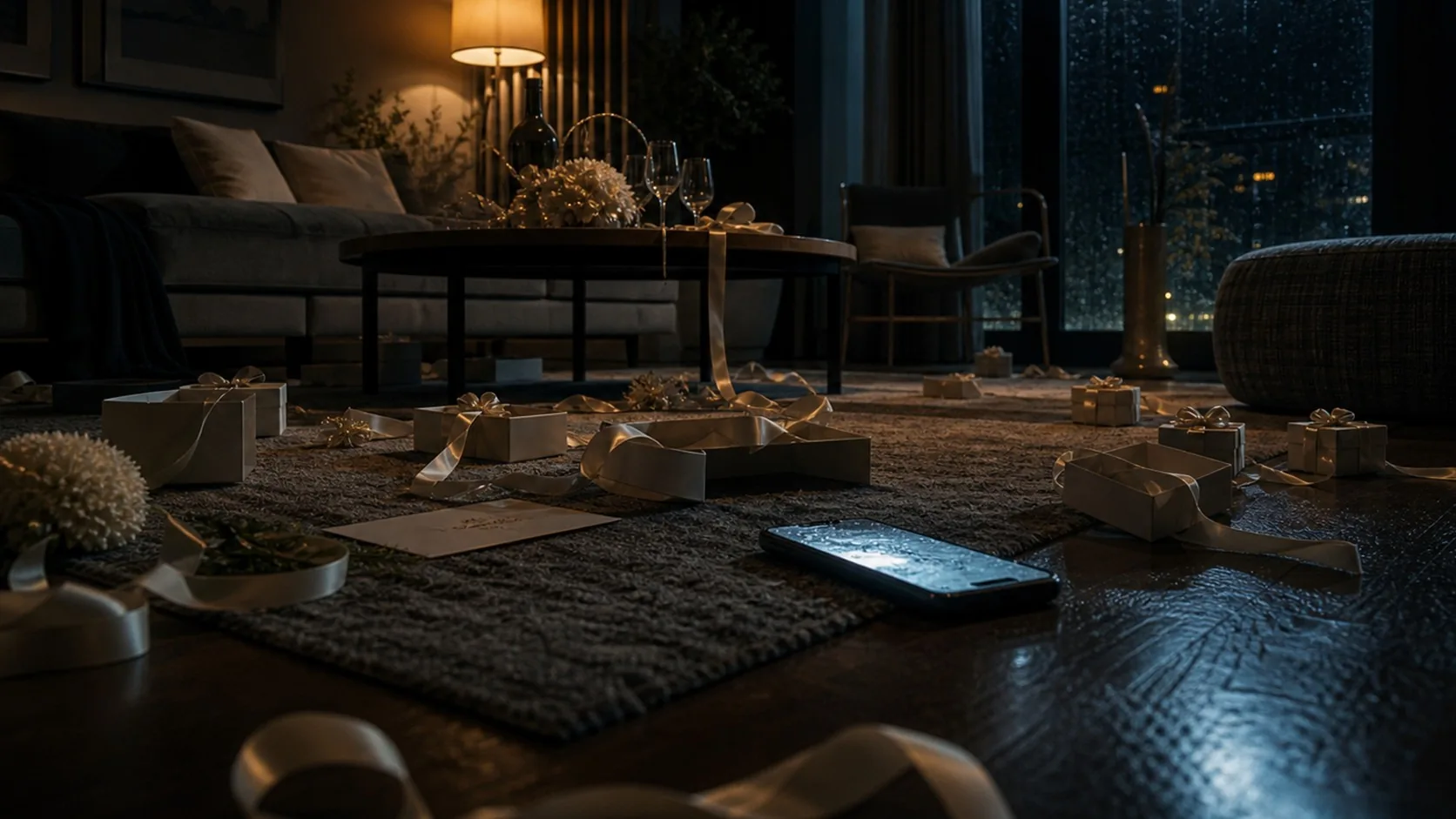 Screen state and sound source are separate constraints. Treating them as one instruction creates avoidable drift.
The useful output is not a longer prompt. It is a smaller surface that can be reviewed: does the batch start correctly, end correctly, keep the sound source clear, and leave a state the next batch can inherit?
Review
Prompt writing becomes more reliable when it behaves like compilation.
The scene remains upstream. The shot batch is only the executable part.